
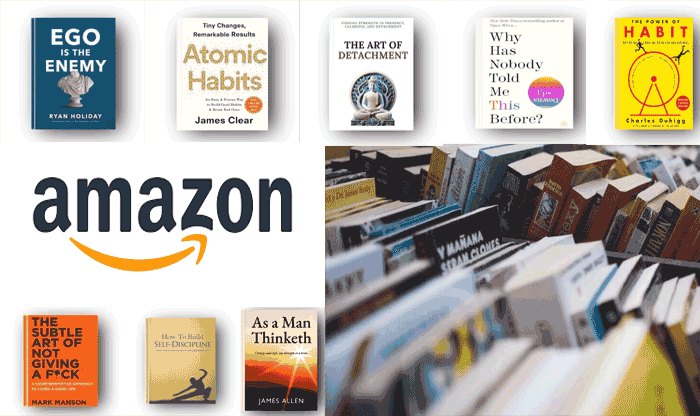
Selling books on Amazon remains one of the most accessible ways to start an e-commerce business. Whether you are clearing out your attic or launching a professional bookstore, the platform offers unparalleled reach. To succeed, you need to understand the mechanics of the marketplace to ensure you are offering the best books to the right audience.
1. Choose Your Selling Strategy: In 2026, there are two primary ways to sell:Amazon Seller Central: Used for selling physical books (new or used). You can fulfill orders yourself (FBM) or let Amazon handle shipping via Fulfillment by Amazon (FBA).Kindle Direct Publishing (KDP): Ideal if you are an author. This is a print-on-demand service for ebooks and paperbacks.
2. Sourcing and ListingTo find inventory, look at thrift stores, library sales, or wholesalers. When listing, use the Amazon Seller App to scan ISBNs. This tells you the “Best Seller Rank” (BSR); aim for books with a BSR under 100,000 for faster turnover. To maintain a high-quality storefront, focus on sourcing the best books in niche categories like textbooks, collectibles, or out-of-print non-fiction, as these often yield higher margins than saturated fiction genres.
3. Optimize for Discovery (SEO)Amazon’s 2026 algorithm, Rufus, prioritizes natural language and intent.Keywords: Include terms like “used textbooks” or “rare first editions” in your backend keywords.Condition Notes: Be brutally honest. A “Good” book described accurately sells faster than a “Like New” book that arrives with folded pages.
Success on Amazon requires a mix of smart sourcing and meticulous listing optimization. By consistently researching market trends and providing high-quality inventory, you can build a reputable presence.
Start small, track your data, and always strive to provide the best books to your customers to ensure long-term growth and positive reviews.
Opinzy/Sgn