

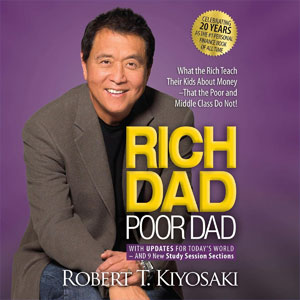
Books Like Rich Dad Poor Dad: Best Personal Finance and Wealth-Building Books to Read in 2026
Rich Dad Poor Dad remains one of the most influential personal finance books ever written. Its simple lessons about money, investing, assets, and financial freedom introduced millions of readers to a different way of thinking about wealth.
Even years after its release, readers still search for books like Rich Dad Poor Dad that offer practical financial advice, mindset shifts, and long-term wealth-building strategies.
If you enjoyed Robert Kiyosaki’s classic, this guide highlights some of the best books similar to Rich Dad Poor Dad available on Amazon in 2026.
You can explore more related titles on Amazon Books Like Rich Dad Poor Dad
Why Readers Still Love Rich Dad Poor Dad
The book became popular because it explains financial concepts in a simple and relatable way. Instead of focusing only on saving money, it encourages readers to understand:
Assets vs. liabilities
Financial independence
Passive income
Entrepreneurship
Investing mindset
Long-term wealth building
Many readers say the book completely changed how they think about money and work.
Best Books Like Rich Dad Poor Dad

1. The Millionaire Next Door by Thomas J. Stanley
The Millionaire Next Door is one of the most recommended personal finance books for readers interested in real-world wealth habits.
Why readers love it:
Based on research and real data
Shows how wealthy people actually live
Focuses on discipline and financial habits
Practical and realistic advice
Unlike flashy wealth culture, this book explains how many millionaires build wealth quietly through consistent habits.

2. The Psychology of Money by Morgan Housel
The Psychology of Money focuses on the emotional and behavioral side of money management.
What makes it powerful:
Easy-to-understand financial lessons
Focus on long-term thinking
Real-life money behavior examples
Short and highly readable chapters
This book pairs well with Rich Dad Poor Dad because both emphasize mindset over technical complexity.

3. Think and Grow Rich by Napoleon Hill
Think and Grow Rich remains one of the most influential success and wealth books ever written.
Key takeaways include:
Goal setting
Self-discipline
Positive thinking
Persistence and ambition
Many modern wealth-building books still reference concepts introduced in this classic.

4. I Will Teach You to Be Rich by Ramit Sethi
I Will Teach You to Be Rich provides modern financial advice designed for younger readers and professionals.
Why readers recommend it:
Practical money systems
Investing basics
Budgeting without guilt
Automation strategies
It offers a more modern and actionable approach to personal finance.

5. The Richest Man in Babylon by George S. Clason
The Richest Man in Babylon teaches timeless money lessons through simple parables set in ancient Babylon.
Popular lessons include:
Paying yourself first
Saving consistently
Avoiding unnecessary debt
Building wealth slowly over time
The storytelling style makes financial concepts easier to remember.

6. Your Money or Your Life by Vicki Robin
Your Money or Your Life focuses on financial independence and intentional living.
Why it stands out:
Encourages mindful spending
Focuses on life satisfaction
Helps reduce financial stress
Promotes long-term freedom
This book appeals to readers who want balance between money and personal happiness.

7. The Simple Path to Wealth by JL Collins
The Simple Path to Wealth simplifies investing and financial independence for beginners.
Readers appreciate:
Clear investment explanations
Beginner-friendly language
Long-term wealth strategy
Focus on index fund investing
It is widely recommended for readers starting their investing journey.
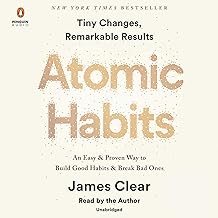
8. Atomic Habits by James Clear
Atomic Habits is not purely about money, but many readers combine its habit-building principles with financial growth.
Why it works well with finance books:
Focus on consistency
Small improvements over time
Behavioral change strategies
Productivity and discipline lessons
Wealth building often depends on habits, making this book highly relevant.

9. The 4-Hour Workweek by Tim Ferriss
The 4-Hour Workweek explores entrepreneurship, automation, and lifestyle design.
Popular ideas include:
Remote income generation
Outsourcing and automation
Escaping traditional work structures
Building flexible lifestyles
Readers who enjoyed Rich Dad Poor Dad’s focus on financial freedom often appreciate this book.

10. Think Straight by Darius Foroux
Think Straight focuses on mindset, overthinking, and mental clarity.
Why readers connect with it:
Helps improve decision-making
Encourages mental discipline
Supports productivity and focus
Easy-to-read writing style
Strong financial habits often begin with better thinking patterns.
Common Lessons These Books Share
Most books similar to Rich Dad Poor Dad focus on a few important ideas:
Financial Education Matters
Traditional education often teaches people how to earn money but not how to manage or grow it.
Mindset Is Important
Many wealth-building books emphasize emotional control, discipline, and long-term thinking.
Assets Create Freedom
Owning income-producing assets is a recurring theme in personal finance literature.
Small Habits Matter
Consistent financial habits often matter more than quick wins or risky shortcuts.
Why Personal Finance Books Remain Popular
In 2026, more readers are searching for:
Financial independence
Side income ideas
Investing basics
Money management skills
Productivity and discipline strategies
Books remain one of the easiest ways to learn practical financial lessons from experienced investors, entrepreneurs, and researchers.
Final Thoughts
If Rich Dad Poor Dad changed how you think about money, these books can help deepen your understanding of wealth, investing, habits, and financial independence.
The best financial books are not just about becoming rich. They help readers build smarter habits, make better decisions, and create long-term stability and freedom.
Whether you are starting your financial journey or looking to improve your mindset around money, these books offer practical lessons that remain relevant in 2026 and beyond.