

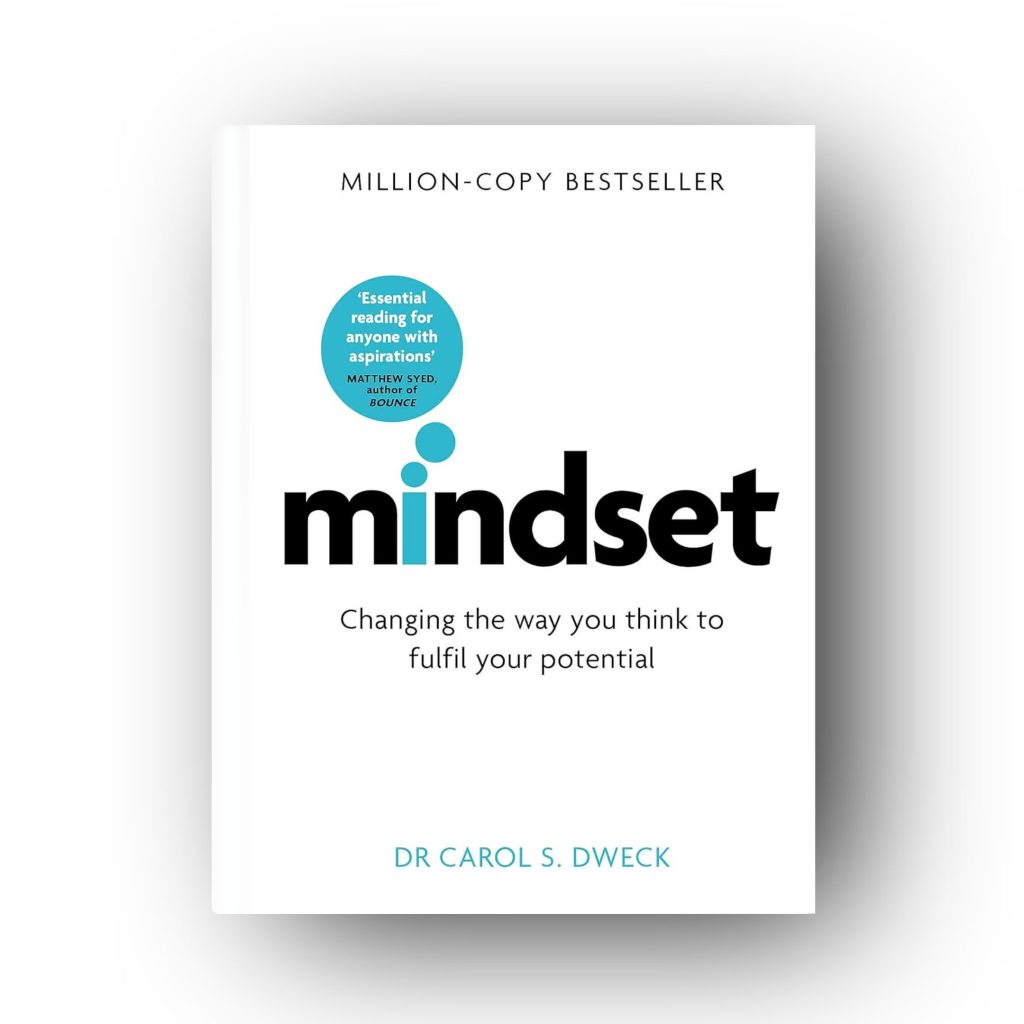
Reading stimulates the mind, eases stress, and expands vocabulary. It strengthens focus, builds empathy by letting you live other people’s experiences, and keeps you learning throughout life. A simple annual reading goal (for example, one book a month) turns sporadic reading into a steady habit and replaces passive screen time with something energizing and rewarding.
Why I Read
– Boosts cognitive function: Regular reading exercises memory, attention, and analytical skills.
– Reduces stress: Losing yourself in a good book lowers heart rate and eases tension more effectively than many leisure activities.
– Builds empathy: Fiction and narrative nonfiction let you inhabit other perspectives, improving emotional intelligence.
– Improves communication: Exposure to varied writing styles increases vocabulary and helps you express ideas more clearly.
– Expands knowledge: Nonfiction and well-researched works introduce new ideas, histories, and practical skills.
A Practical Yearly Reading Plan
Set a goal that fits your life, then break it into manageable steps. Pick one of these tiers and follow the sample schedule and habits.
Goal tiers
– Beginner — 12 books/year (1 per month): Ideal for busy schedules or starting a habit.
– Moderate — 24–30 books/year (2–2.5 per month): Great for readers who want variety and steady progress.
– Avid — 52 books/year (1 per week): For dedicated readers who carve out daily reading time.
Sample yearly plan (for any tier)
- Choose your goal and list 12–52 books in advance (mix fiction, nonfiction, short works, and audiobooks).
- Weekly habit: read 20–30 minutes daily (short sessions stack up). For a 52-book goal, aim for 20–30 minutes/day; for 12 books, 10–15 minutes/day is usually enough.
- Use formats strategically: combine physical books, ebooks, and audiobooks to read during commutes, chores, or workouts.
- Track progress: use Goodreads, StoryGraph, or a simple spreadsheet to log books finished and notes.
- Adjust monthly: swap titles if you lose interest, and alternate heavy and light reads to maintain momentum.
- Celebrate milestones: share progress with friends, join a book club, or reward yourself after every 5–10 books.
Practical tips to stick with it
– Swap bedtime scrolling for reading to improve sleep and increase reading time.
– Start with books that excite you; don’t force dense tomes early on.
– Break longer books into chapters with mini-deadlines.
– Use audiobooks to “read” while doing routine tasks.
– Keep a short reading list for dips in motivation—comfort reads help you maintain streaks.
Reading is a flexible, high-return habit: even small, consistent steps compound into large gains over a year. Pick a realistic goal, build habits around your life, and let the joy of discovery keep you going.
5 reasons why you read books yearly reading goal
Setting a yearly reading goal motivates consistent reading, helps prioritize time for learning and relaxation, and tracks progress toward personal development. It broadens perspectives by exposing you to diverse ideas and genres, improves vocabulary and critical thinking, and provides a satisfying sense of achievement when you meet or exceed your target.
Why you read books yearly reading goal essay
A yearly reading goal structures your reading habits and turns a casual pastime into a purposeful routine. By committing to a target, you create regular pockets of focused reading, which enhances comprehension and retention. Goals encourage variety—fiction, nonfiction, and professional texts—fostering lifelong learning and mental stimulation. Moreover, tracking accomplishments builds confidence and can inspire social sharing or participation in reading communities.
Why you read books yearly reading goal 2022
In 2022 many people set yearly reading goals to recover balance after pandemic-driven lifestyle changes, using books to reconnect with learning and leisure. Goals helped readers intentionally choose titles that addressed personal growth, entertainment, or skill development. The structure of a yearly target allowed readers to measure progress amid shifting routines and celebrate milestones as libraries, bookstores, and online communities regained momentum.
How many books does a bookworm read a year
A bookworm’s annual total varies widely, but many read between 50 and 200 books per year depending on reading speed, free time, and book length. Some avid readers who prioritize reading daily can reach several hundred short books annually, while others focused on longer, denser works may read fewer but more substantial titles.
How many books should I read a month
A reasonable monthly goal is 2–4 books, balancing consistency with life commitments; this yields 24–48 books annually. Adjust up or down based on your available time, reading speed, and the complexity of chosen books—shorter or lighter books allow higher monthly counts, while dense nonfiction may warrant fewer.
How many books should you read at a time
Reading 1–3 books concurrently suits most readers: one primary book, plus one light or fiction read for enjoyment, and perhaps a reference or audiobook for multitasking. Limit simultaneous reads to what you can track comfortably to avoid confusion and ensure steady progress.
Books per year goal
Choose a books-per-year goal that’s ambitious yet realistic—common targets are 12 (one per month), 24, or 52 (one per week). Base your goal on past reading habits, time availability, and the types of books you want to tackle; adjust as needed to keep it motivating rather than stressful.
How many books read in a year
Average books read per year differ by population and survey: many casual readers report 12–24 books, while avid readers often report 50+. Your personal annual total will depend on daily reading time, reading speed, and the mix of short and long books you select.
Here are SEO-friendly, standalone sections you can insert into your blog post.
Why I Read Books Essay
Reading books has always been one of the most rewarding habits in my life. Books allow me to explore new ideas, learn from experts, and experience different perspectives without leaving my home. Whether I am reading fiction or nonfiction, every book teaches me something valuable about the world and myself.
I read books because they help me grow intellectually and emotionally. Books improve my vocabulary, strengthen my focus, and encourage critical thinking. They also provide inspiration, entertainment, and practical knowledge that I can apply in my daily life. For me, reading is not just a hobby—it is a lifelong investment in personal development.
10 Reasons Why I Read Books
People read books for many different reasons, but these are some of the most common benefits:
To gain knowledge and learn new skills.
To improve vocabulary and communication.
To reduce stress and relax.
To strengthen focus and concentration.
To develop critical thinking abilities.
To increase creativity and imagination.
To learn from successful people.
To improve memory and brain function.
To gain motivation and inspiration.
To better understand different cultures and perspectives.
Books offer both entertainment and education, making them one of the most valuable tools for lifelong learning.
Why I Read Books Reddit Discussions
Many Reddit users frequently discuss their reasons for reading books. Common answers include escaping daily stress, expanding knowledge, improving mental health, and developing empathy. Readers often share how books help them disconnect from social media and spend more time focused on meaningful content.
Another popular theme in Reddit discussions is personal growth. Many readers believe books offer insights that can improve careers, relationships, finances, and overall well-being. While everyone’s reading journey is different, the majority agree that reading regularly has a positive impact on life.
Why We Should Read Books Essay
Books play an important role in education, personal growth, and entertainment. Reading helps individuals gain knowledge, improve language skills, and understand complex ideas. Unlike short online content, books provide deeper explanations and encourage thoughtful learning.
We should read books because they stimulate the mind and help us become better thinkers. Reading improves concentration, strengthens memory, and develops problem-solving abilities. It also exposes us to different viewpoints, helping us become more informed and open-minded individuals.
Why Do You Read Books? Answer
A simple answer to this question is: I read books to learn, grow, and enjoy new experiences. Books provide knowledge, inspiration, and entertainment while helping me develop valuable skills such as critical thinking and communication.
Reading allows me to gain insights from experts, discover different cultures, and explore ideas that can improve my life. Every book offers an opportunity to learn something new.
100 Benefits of Reading
While listing all 100 benefits would take considerable space, some of the most important advantages include:
Improves memory
Enhances focus
Reduces stress
Expands vocabulary
Increases knowledge
Strengthens analytical thinking
Improves writing skills
Encourages creativity
Builds empathy
Improves communication
Boosts confidence
Supports lifelong learning
Helps career development
Encourages better decision-making
Promotes mental stimulation
The cumulative effect of these benefits can significantly improve both personal and professional life.
The Benefits of Reading Books Regularly
Reading books regularly offers long-term advantages that extend beyond education. Consistent reading improves cognitive function, strengthens memory, and enhances concentration. It also helps readers stay informed and continuously learn new information.
Regular readers often report reduced stress levels, better sleep quality, and improved emotional intelligence. Whether reading for pleasure or professional development, making reading a daily habit can contribute to overall well-being and success.
Is Reading Books Good for Your Brain?
Yes, reading books is excellent for your brain. Studies have shown that reading activates multiple areas of the brain involved in language processing, memory, imagination, and comprehension. This mental exercise helps keep the brain engaged and healthy.
Reading can also improve neural connectivity, increase cognitive reserve, and potentially reduce the risk of age-related cognitive decline. Just like physical exercise strengthens the body, reading regularly helps keep the brain active and functioning at its best.
Opinzy-us-amazon-books